
Every website owner wants their site to get noticed. But with so many websites online, standing out can be tricky. On-Page SEO is a way to make your website clear, easy to use, and more visible in search results. When done well, it helps both people and search engines understand your content.
If you want guidance, Tap White Label, a local SEO agency, can help. Led by Fervil Von, they work with businesses of all sizes to make websites easier to find, more engaging, and more successful.
Table of Contents
What On-Page SEO Is and Why It Matters

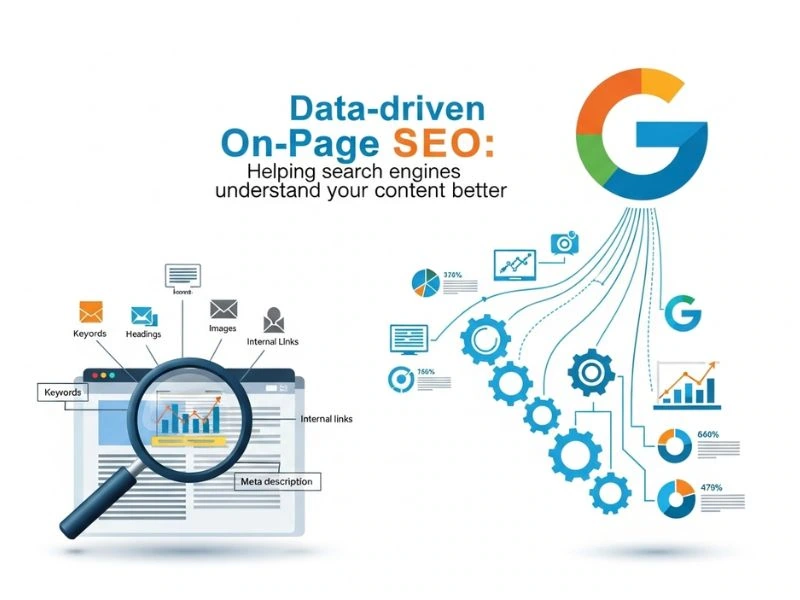
On-Page SEO is the practice of improving things on your website so it performs better in search results. It focuses on the content, headings, titles, descriptions, and other page elements. Think of it as arranging a store: if everything is tidy, easy to find, and attractive, more people will visit.
On-Page SEO helps you:
- Show search engines and visitors exactly what your page is about
- Make your website user-friendly and easy to navigate
- Focus on actions that give results instead of guessing
- Increase your chances of attracting more customers
With Tap White Label, even beginners can make practical changes that have a noticeable impact.
Important Elements of On-Page SEO
1. SEO Title
Your SEO title is like a headline in a newspaper. It should clearly explain what the page is about and include your main keyword naturally. A strong title helps users click on your page and tells search engines what to expect.
2. Meta Description
The meta description is a short snippet under your title in search results. Write it like a friendly introduction: clear, simple, and interesting. Mention the main keyword and hint at what the visitor will gain by reading your page.
3. Keywords in the First Paragraph
Include your main keyword early in the content. This helps search engines and visitors know immediately what your page is about.
4. Spread Keywords Naturally
Use your keyword throughout the page, but don’t force it. Think of it as seasoning: just enough to enhance the flavor, not overpower it.
5. Headings and Subheadings
Headings guide readers through your content. They break the text into sections, making it easier to read. Including keywords in headings reinforces what your page is about and improves readability.
Creating Content That Works
Content should be simple, useful, and easy to understand. Avoid long, confusing sentences. Explain things step by step and include examples when possible. You can also add direct calls to action, like “Learn more” or “Try this tip,” to encourage readers to act.
Good content is not just for search engines it helps your visitors find value in your site and keeps them coming back.
The Role of Local SEO

Even if your business is online, local SEO matters. It ensures that people near your location can find you easily. Local SEO can increase foot traffic, attract new clients, and improve your reputation in the community.
Tap White Label specializes in local SEO. Here’s how they help businesses:
- Google Business Profile: Keep your information, photos, and hours accurate so people find you quickly.
- Local Listings: Get your business listed in online directories, maps, and review sites.
- Location Keywords: Use phrases like “bakery in Manila” or “coffee shop near me” in your content.
Local SEO helps your business connect with nearby customers and encourages them to become loyal visitors.
Benefits for Small and Growing Businesses
Many small businesses think SEO is only for large companies. That’s not true. Even a small website can compete when it’s optimized.
Benefits include:
- Attracting local customers
- Increasing visibility in search results
- Tracking results without hiring extra staff
- Making better decisions based on clear data
With Tap White Label, small businesses get step-by-step guidance that’s affordable and easy to follow.
How to Get Started with On-Page SEO
- Set clear goals: Decide what you want to achieve with your website. More visitors? More sales? More inquiries?
- Check titles and headings: Make them clear, readable, and keyword-friendly.
- Write engaging content: Focus on being helpful and easy to read.
- Add visuals: Images or videos make your page more interesting and keep visitors longer.
- Track your progress: Look at your website traffic, engagement, and conversions regularly and make adjustments as needed.
Even small improvements add up over time and can make a significant difference.
Real-Life Examples
- A local bookstore improved sales by updating titles, headings, and descriptions to include relevant keywords.
- A small restaurant attracted more reservations after optimizing menu pages and adding location-specific keywords.
- A service provider increased inquiries after Tap White Label helped improve website content and local listings.
These examples show that On-Page SEO doesn’t have to be complicated to deliver results.
Tips for Ongoing SEO Success
- Keep goals in mind: Know what success looks like for your website.
- Communicate with experts: Ask questions if you’re unsure about any updates.
- Be patient: SEO results take time; consistent effort matters more than quick fixes.
- Follow guidance: Stick to recommended updates and strategies for steady improvement.
Future Trends in On-Page SEO
The world of SEO is always changing. Some trends to consider:
- Mobile-first optimization: Most visitors browse on phones, so websites need to work well on mobile devices.
- Voice search: People talk to devices differently than they type, so content may need to match how questions are asked.
- Video content: Adding videos can make pages more engaging and help keep visitors longer.
- Local focus: Even global businesses benefit from optimizing for local searches.
Tap White Label helps businesses stay updated with these trends, making sure your website stays relevant and competitive.
Call to Action
Your website deserves to be easy to find, helpful, and engaging. Partner with Tap White Label and let Fervil Von guide you with practical On-Page SEO strategies. Start improving your website today and reach more customers.
Start Optimizing Your Website Now!
Frequently Asked Questions
- How can I tell if my On-Page SEO is working?
Check metrics like how long visitors stay on your page, which links they click, and which pages get the most attention. These signals show if your optimization is effective.
- Are there common mistakes to avoid?
Yes. Overusing keywords, missing headings, or having long, unbroken paragraphs can make your site harder to read and lower its search visibility.
- Does page speed affect performance?
Absolutely. Faster-loading pages keep visitors engaged and improve your rankings. Optimize images and remove unnecessary scripts to speed up your site.
- Can images improve On-Page SEO?
Yes. Use clear file names and descriptive alternative text. This helps search engines understand your content and makes your site more accessible.
- How often should I review my content?
Every 3–6 months is a good rule. Update outdated info, fix broken links, and clarify confusing sections to keep your site effective and user-friendly.